From the Journal · Wellness
Shilajit — a wellness tonic for men and women.
By Chakrapani Ayurveda · 8 min read
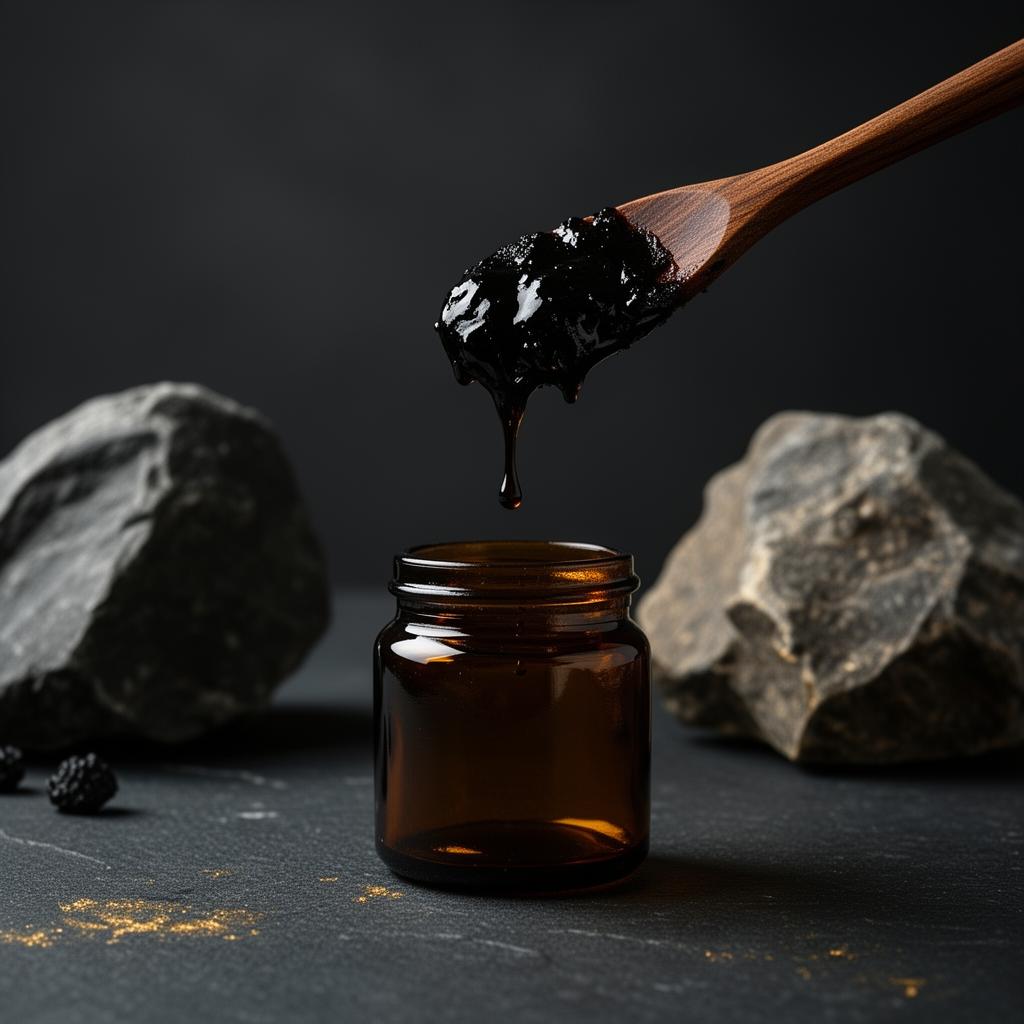
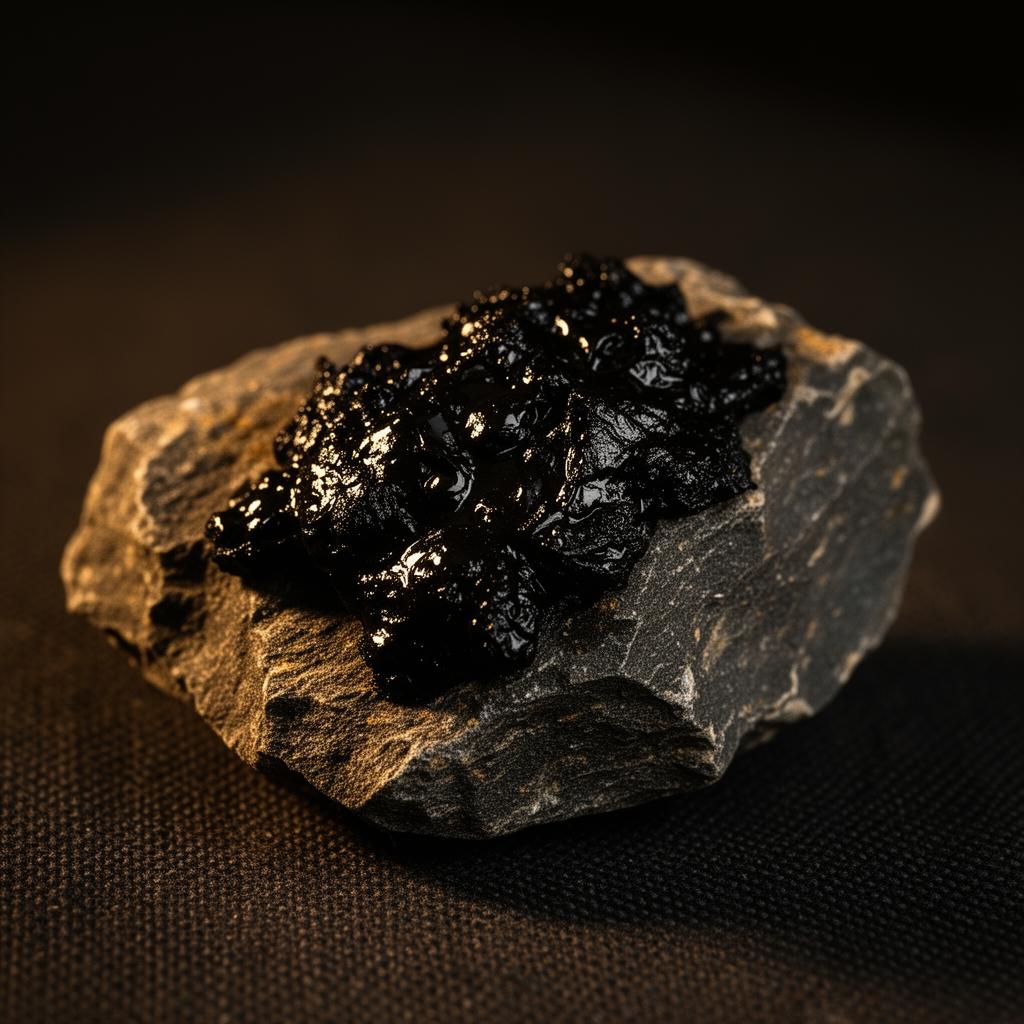
Shilajit naturally contains a complex mixture of mineral compounds and organic constituents, including fulvic substances. Its composition varies according to source, purification and processing. It is a tar-like exudate found in the high-altitude rocks of the Himalayas, collected when it oozes from cracks and fissures in the rocks during summer. Raw Shilajit, however, contains impurities, so it is traditionally purified with herbal decoctions of Triphala — often several times — then filtered and dried until it is considered safe to use.
Usage
- Forms
- Resin, capsule, tablet and powder
- Dose
- Follow the instructions provided with the specific product, or the guidance of an Ayurvedic physician.
- When and how to take
- Traditionally taken in the morning, with warm milk or water
- Possible considerations
- Purified Shilajit from a reputable source is generally considered suitable for most adults. Poorly sourced or unpurified resin may contain heavy metals and should be avoided.
- Who should seek guidance first
- Pregnant or breastfeeding women, and people with hereditary hemochromatosis, thalassemia or sickle cell anaemia, should consult a qualified practitioner before use.
Key Constituents
- Fulvic Substances: May support nutrient absorption and are traditionally associated with balancing the body's tissues.
- Humic Acid & Humins: Traditionally associated with digestion and gut comfort.
- Antioxidant compounds: May help support cells against everyday oxidative stress.
- Trace minerals (Silica, Iron, Zinc, Copper): Traditionally regarded as supportive of overall bone and tissue wellbeing.
Traditional Uses
- 01Reproductive vitality. Shilajit is traditionally used in Ayurveda to support reproductive vitality under appropriate professional guidance.
- 02Enhances physical stamina. Traditionally used in Ayurveda to support energy, stamina, physical resilience and recovery after exertion.
- 03Supports healthy iron levels. Its mineral content is traditionally regarded as supportive for individuals managing everyday fatigue, though this is not a substitute for medical evaluation of anaemia or related conditions.
- 04Supports joint comfort. Traditionally used to support joint comfort and mobility as part of an overall wellness routine.
- 05Supports mental clarity. Traditionally regarded in Ayurveda as supportive of focus, memory and mental clarity; ongoing research continues to explore its role in cognitive wellbeing.
- 06Supports metabolic wellbeing. Shilajit has been studied for its potential role in supporting metabolic wellbeing. Evidence remains limited or developing, and it is not a substitute for medical diagnosis or treatment.
- 07Supports heart and circulatory wellbeing. Traditionally regarded as supportive of healthy circulation as part of a balanced lifestyle.
- 08Supports natural resilience and digestion. Traditionally used to support digestion and the body's natural resilience.
- 09Supports healthy ageing. Ayurveda classifies purified Shilajit as a Rasayana substance traditionally used to support vitality, resilience and healthy ageing.
- 10Natural adaptogen. Traditionally regarded as helping the body adapt to stress, supporting calmer mood and restful sleep.
Diet and Lifestyle Recommendations
As a mineral-rich, bioavailable substance, Shilajit's traditional use is generally paired with a balanced diet and steady daily routine.
- 01Take Shilajit in the morning. With warm water or milk according to the formulation.
- 02Consider a traditional anupana. Ghee, honey or another anupana may be advised separately by an Ayurvedic physician according to the individual, season and purpose of use. Follow the instructions provided with the specific product.
- 03Avoid stimulants nearby. Skip tea or coffee 1–2 hours before and after, as these may interfere with absorption.
- 04Exercise regularly. Movement is traditionally believed to complement Shilajit's effects and support stamina.
- 05Meditate and practise pranayama. These practices are traditionally considered complementary to Shilajit's adaptogenic qualities and may support mood.
- 06Sleep 7–8 hours. Adequate rest is traditionally regarded as supportive of the body's natural recovery processes.
- 07Avoid alcohol and smoking. Both are traditionally considered counterproductive to Shilajit's supportive properties.
Best Practices
Choose a high-quality, purified Shilajit, and take it consistently at the same time each day — preferably in the morning. Individual experiences vary, and it is best used under the guidance of an Ayurvedic practitioner as part of a broader wellness routine.
Shilajit is more than just a supplement. Add a single drop to your health journey for renewed energy and strength — but remember, purity and quality matter most.
Curious whether Shilajit is right for you?
Get a Free Consultation